June 1, 2026
Every day, millions of gallons of water silently leak from America's vast network of pipes, largely unnoticed but of significant consequence. This hidden problem is not just an environmental issue but also a financial and logistical challenge that affects both local communities and the national economy. According to RubyHome, Americans waste roughly 1 trillion gallons of water yearly due to leaky pipes, faucets, sprinkler systems, and more. The magnitude of this waste underscores the pressing need to address the invisible leaks spread across the nation. Understanding the scope and impact of this issue is vital for future resource management and sustainability efforts.
Identify the Roots of Our Aging Infrastructure
America's pipe systems have a rich history, stretching back over a century. The original systems were mostly constructed in the late 19th and early 20th centuries, using materials and techniques that would be considered rudimentary today. Initially, cast iron and lead pipes were the norm, as these materials were believed to be durable and readily available. Over time, technological advancements and shifts in public health awareness necessitated improvements in both materials and construction practices. Understanding the historical context of America's pipe infrastructure helps illuminate why many systems are failing today.
In contrast to the early 20th century, today's pipe construction incorporates advanced materials and technologies. PVC and ductile iron have largely replaced older materials, offering improved durability and reduced risk of leaks. Modern pipelines are built with a focus on minimal environmental impact and long-term sustainability. Additionally, computer-aided design (CAD) and geographic information systems (GIS) are often employed to optimize layouts and maintenance procedures. This modern framework enhances our capacity to deploy advanced leak detection and repair leaks more efficiently than ever before.
Recognize the Massive Scale of Invisible Leaks
The statistics around water leaks in America are both alarming and eye-opening. The massive loss significantly impacts both local water supplies and national conservation efforts, highlighting an urgent need for action. Despite technological advancements, many leaks still go undetected due to the sheer scale and complexity of subterranean infrastructure. Comprehensive datasets are essential for policymakers and engineers to grasp the full magnitude of this issue and strategize solutions.
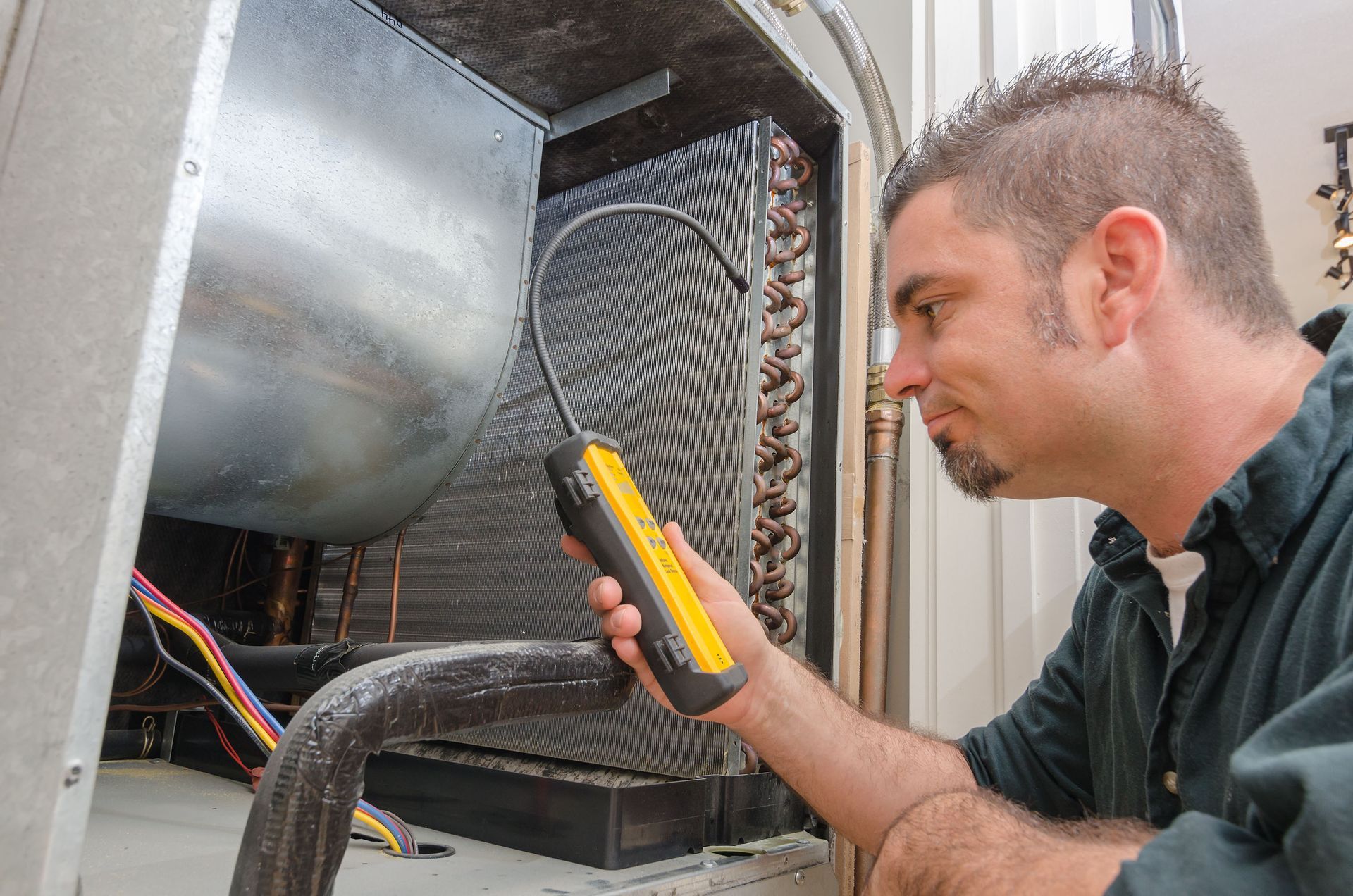
Invisible leaks tend to be the most challenging to identify and repair because they occur below ground or in areas that are not easily accessible. There are generally two types of leaks: visible leaks, like dripping faucets, and invisible leaks that happen within pipelines. While visible leaks are usually fixed promptly, invisible leaks can go unnoticed for years, causing significant water loss. These leaks can be due to material degradation, pipe joint failures, or even poor initial installation. Addressing invisible leaks requires sophisticated electronic leak detection tools and vigilant monitoring systems.
Certain regions are particularly prone to problems with invisible leaks, often due to aging infrastructure and environmental conditions. Older cities with longstanding pipe systems, such as those in the Northeast and Midwest, struggle with this issue largely due to outdated materials. Meanwhile, regions with extensive agricultural activities may also experience higher rates of leakage due to increased water pressure demands. Climate variables, including soil composition and temperature fluctuations, further exacerbate these problems. Identifying these vulnerable areas is crucial for targeted interventions and resource allocation.
Deploy Modern Electronic Measurement Methods
Advancements in technology have greatly enhanced our ability to locate subterranean issues, but challenges remain. Ground-penetrating radar, acoustic sensors, and infrared thermography form the core of modern electronic leak detection methodologies employed to find leaks beneath the surface. These technologies offer varying levels of effectiveness depending on factors like soil type, pipe material, and leak size. Despite these options, ongoing research is necessary to improve reliability and cost-effectiveness. As technology evolves, so too will our capability to successfully locate and remedy hidden leaks.
Identifying leaks is fraught with challenges that complicate effective remediation. Many leaks remain undetected for years due to their location deep underground or within convoluted pipe networks. Weather conditions, urban development, and limited manpower can also impede timely discovery and mending of pipes. The high costs associated with advanced tracking technology can further hinder widespread adoption. Consequently, identifying and addressing structural compromise remains a persistent issue that necessitates both innovative solutions and increased investment.
Recent breakthroughs in pipeline management have brought a promising era of technological advancement and implementation. The integration of satellite imaging and drones offers new vistas of surveillance capabilities, encouraging rapid and far-reaching monitoring. Improved software algorithms now allow for robust data analysis, pinpointing compromised lines with increased accuracy. Moreover, pilot programs in cities around the nation demonstrate the potential for these advanced methods to replace antiquated practices. Such advancements highlight a future where invisible water loss can be effectively controlled and potentially eliminated.
Artificial intelligence (AI) and machine learning are game changers in the field of modern leak detection and management. Persistent data collection and analysis through AI can rapidly identify leakage patterns and high-risk zones. These technologies automate tasks that were once time-consuming and prone to human error, thus streamlining diagnosis and repair processes. Machine learning algorithms can continuously improve themselves by adapting to real-time data, providing more accurate predictive analytics over time. Through these innovations, we are witnessing a paradigm shift in how invisible leaks are managed.
Evaluate the Ecological and Financial Impact
The environmental damage caused by water waste from invisible leaks extends beyond mere numbers. Not only is the resource unnecessarily depleted, but the subsequent pressure on natural water bodies is increased. Ecosystems suffer as water diversion disrupts habitats and alters ecological balances. Over time, invisible leaks exert a profound ecological cost, with long-term repercussions for biodiversity and resource sustainability. Addressing this waste is critical for maintaining the ecological health and integrity of our natural landscapes.
Invisible leaks represent a massive financial burden for utility companies across the nation. Revenue losses due to unaccounted water usage add up to millions of dollars annually, and inefficiencies complicate financial reporting. In addition, the resource allocation toward reactive maintenance diverts funds from much-needed infrastructure upgrades. Increased operational costs often result in price hikes for consumers, creating a feedback loop of inefficiency and expense. Reducing leaks not only conserves water, but also stabilizes the financial ecosystem within utility sectors.
Water conservation goals are severely impeded by the prevalence of invisible leaks, as wasted water nullifies conservation advances. These leaks undermine water conservation campaigns and put extra stress on water supplies, which are already being impacted by climate change and overconsumption. Energy consumption involved in treating and transporting water that subsequently leaks away further exacerbates environmental consequences. This makes it challenging to realize the desired conservation gains necessary for long-term sustainability. Only through holistic strategies for leak detection can we move towards meaningful conservation achievements.
Review Current Legislation and Policy Guidelines
Federal and state legislation together shape the policies that govern pipeline maintenance and leak management. Existing regulations typically pertain to minimum operational standards and periodic reporting schedules for utility companies. However, these laws are often outdated and may not effectively address current challenges with invisible leaks. Moreover, compliance varies widely across regions, resulting in inconsistent enforcement and effectiveness. Development and implementation of forward-thinking, adaptable policies are crucial in addressing these regulatory deficiencies.
While policies surrounding pipeline maintenance differ by jurisdiction, there are collaborative efforts underway to refine regulatory approaches. Several states have initiated programs aimed at upgrading infrastructure, increasing accountability, and providing financial support for localized leak detection programs. Federal funds have also been allocated for research and development of new technologies, fostering innovation and knowledge transfer. By promoting multilevel collaboration, these efforts aim to close regulatory gaps and improve the overall integrity of America's infrastructure. Ultimately, concerted effort and investment on all levels underscore the potential for regulatory reforms.
The vast and invisible challenge of pipeline leaks in America is daunting, yet addressable with coordinated efforts, technological innovation, and localized action. The ecological, financial, and social impacts of this issue demand urgent attention, coupled with comprehensive solutions tailored to unique regional needs. We provide professional electronic leak detection and main line sewer camera inspection to stop underground waste before it destroys your property. If you reside in the Phoenix Metropolitan Area, we are ready to assist you with our specialized tools, a 10% referral discount, and 24-hour emergency assistance to keep your lines running smoothly. Contact Grey Owl Leak Detection today to safeguard your water infrastructure.